Study guides that actually move your grade.
Practical revision strategy, exam technique and subject guides for GCSE and A-Level students — written by the team building Kepler Revise.
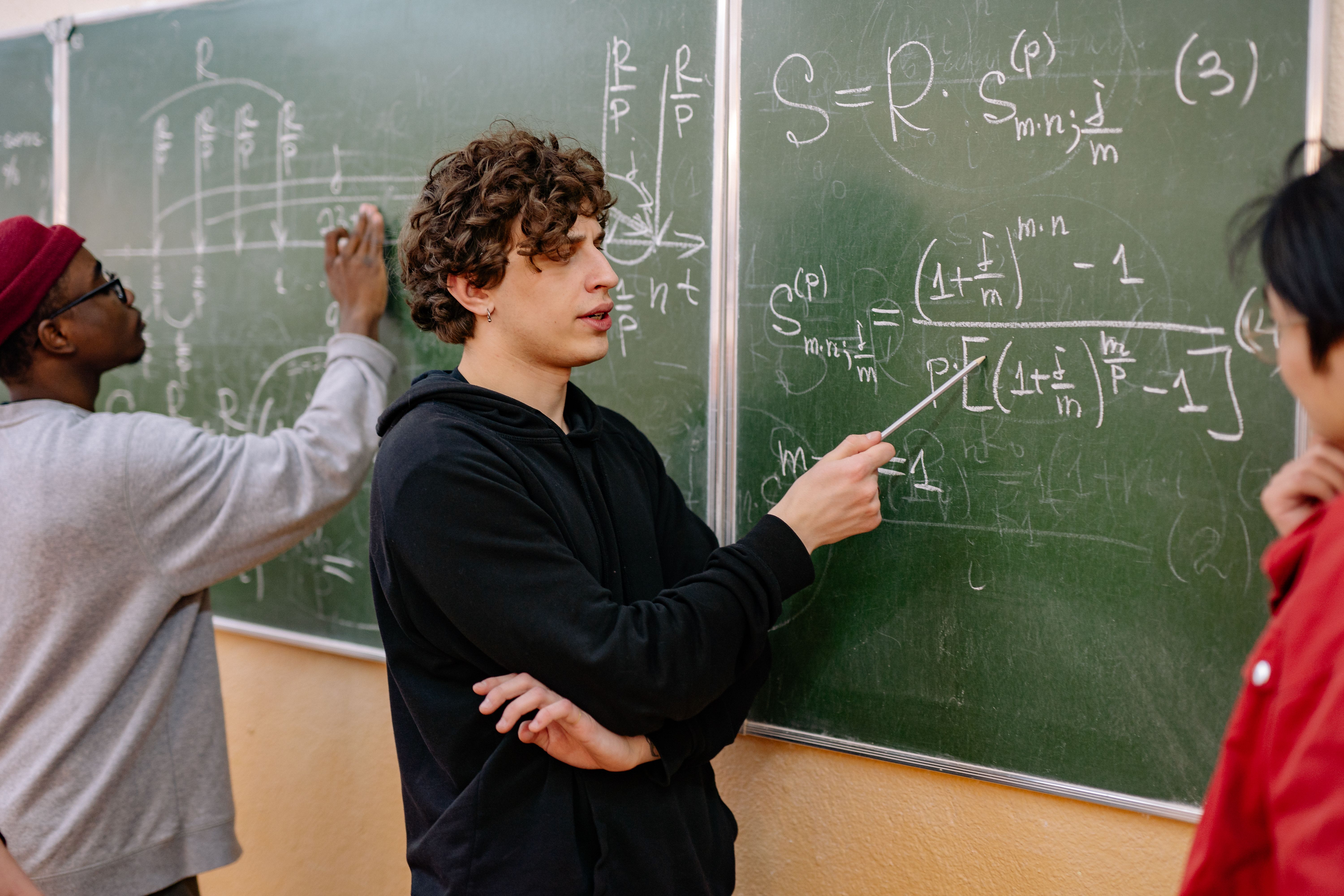
How to Get an A* in A-Level Maths: The Complete Guide
The A* in A-Level Maths is not about being a genius — it is about a small number of habits done consistently. Here is exactly what they are, and how to build them.
Read the guideLatest articles
What to Do the Night Before an Exam (and What to Skip)
By the night before, the syllabus is whatever it is. The job now is to arrive rested, calm and able to retrieve — here is the routine that does it.
Read moreWhy You Go Blank in Exams (and How to Stop)
You knew it last night. In the hall it was gone — then it came back the moment you walked out. That pattern has a cause, and a fix.
Read moreHow to Revise for A-Level Physics (It Is Not Like GCSE)
You can know every equation on the data sheet and still score half marks. Physics tests something notes cannot give you — here is how to train it.
Read moreHow Many Hours a Day Should You Actually Revise?
The real question is not how long you sit at a desk — it is how many effective hours you produce. Most students have never measured one.
Read moreFoundation or Higher? How to Choose the Right GCSE Maths Tier
The tier decision changes what you revise, how the paper feels, and which grades are even possible. Most students never see the numbers behind it — here they are.
Read moreHow to Stop Losing Easy Marks in Maths Exams
The gap between your grade and the one above it is usually not a topic you cannot do — it is a handful of slips you make every single paper. Here is how to close it.
Read moreActive Recall and Spaced Repetition: The Two Techniques That Beat Re-Reading
If your revision is mostly reading and highlighting, you are working hard for very little. Two techniques do most of the heavy lifting — here is how to use them.
Read moreHow to Build a Revision Timetable You Will Actually Stick To
A timetable fails for predictable reasons: it is too rigid, too optimistic, and built around subjects instead of weaknesses. Here is a version that survives contact with a real week.
Read moreHow to Use Past Papers to Actually Raise Your Grade
Doing more past papers is not the same as improving. The difference is entirely in how you mark and review them. Here is the method.
Read moreStop reading about revision. Start revising.
Kepler Revise brings courses, past papers, flashcards and AI-marked practice into one free workspace.